
Guitars Built in Asia Are NOT Crap
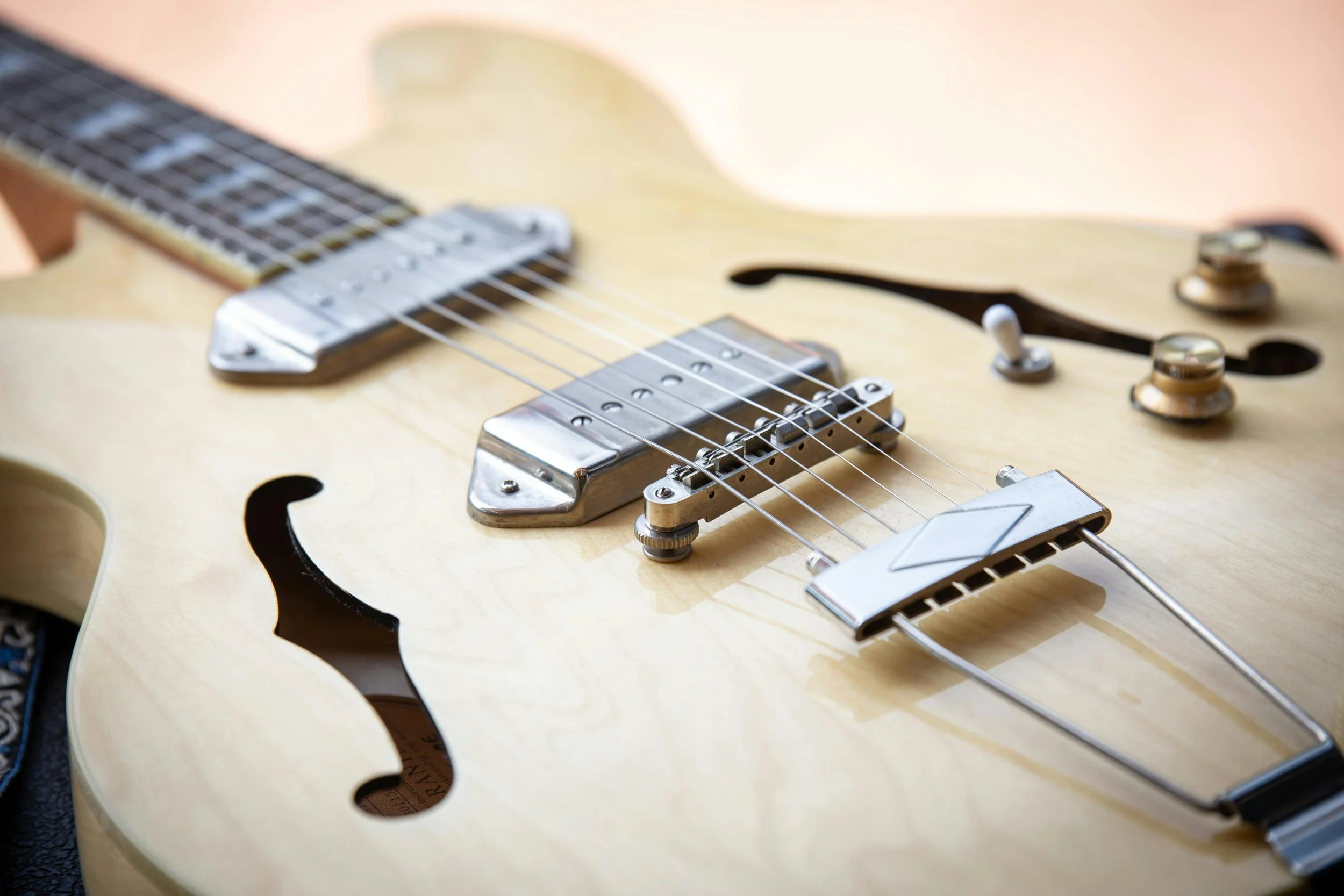
I understand that not everyone will choose to buy a guitar built in Asia and that’s a personal decision, but it’s past time to put to bed the presumption that all guitars built in Asia are crap. It’s an evolution of course. First, Japan was excluded from the presumption, then it was South Korea, then Indonesia, aided not insignificantly by the establishment of the dedicated Cort/PRS factory. Which as a generalization left China.
Let’s be honest with each other. Any manufacturing plant can produce instruments of questionable quality, and as examples I give you the Gibson and Fender output of about fifty years ago. There were some beauties but in general, those instruments did not live up to the promise of the brand.
And brand is a pretty decent indicator. While the no-name, logoed for anyone builds can be of dubious quality, we don’t see that level of issues with the Squiers or Epiphones or until recently the PRS SE Hollowbody guitars all manufactured in China. I have experienced or own examples of all three brands and found them to be excellent instruments, that are highly playable, great sounding and also a substantial cost savings over instruments made in North America.
Why is this? There are multiple reasons, but the most visible is labour cost. Wages in China for factory workers are considerably less than what is paid to makers in North America. That’s why many brands have factories in Mexico. Lower labour costs. It’s also perceived and sometimes even true that the components are of lesser quality. We’ll explore that shortly.
But lower labour cost does not immediately imply lower quality builds. For those companies who want to be able to retail instruments to fit a lower price point, the labour savings can be a strong contributor. Some say that there is a unit per hour limitation that negatively impacts quality, but let’s not kid ourselves, all manufacturing facilities measure throughput and none of our generally available instruments are truly hand built. Such creations exist but they are limited in volume and availability and also command a significantly higher price point.
At a component level we can look to woods and electronics. Since most electronic components are already manufactured primarily in the far east, this argument becomes spurious very quickly. And while it is true that guitars built in Asia may favour locally grown wood over imports, examination of the wood itself will reveal that in many cases, it is different but not of lesser quality. Spruce, true rosewood and true mahogany do have very specific sound qualities but that doesn’t mean that other woods are less valuable tonally. Taylor for example went to recovered wood and has been very successful. Those trees that were cut down were not natively North American, they actually originated in Australia. There is excellent wood grown in Asia, some of which is excellent for instruments.
But the potentiometers in Chinese built instruments are of lesser quality some say. Are they really. An electronic component must first satisfy its requirements. If the fit and finish are poor, we will feel it, but not hear it. Resistors and capacitors are measured for quality by their adherence to specifications. And science tells us that today’s such products are far less wide ranging in tolerance than what was used in the fifties through seventies. We don’t see resistors with plus or minus 20% ratings very much any longer but that was common when I started building projects back in the seventies. This lack of consistency may be why older components with the same specs as current sound different. In the case of pickups, we apparently ignore the impact of natural degaussing over decades when determining the “best” tone.
There is also the consideration to be taken of marketing. I’m not suggesting that marketing professionals lie to us, but to presume that there is no spin being applied would indicate a lack of grasp of reality. Pretty words can mask a lot of stuff and while the Chinese builders are learning, they do not yet match the marketing description skills of their North American peers.
So before you pooh-pooh an instrument made in Asia solely on the basis that it is made in China or wherever, perhaps play one or several. You will find that they play extremely well, sound excellent and let you keep more of your money. Yes, you may give up the cachet of the prominent brand silkscreened or stuck by decal on the headstock, but the logo does not impact the playability or tone of the instrument. It’s only value is in the ability to show it off, or to provide a better resale value because others will assume that the logo itself makes the instrument great.
It’s a failed assumption, but still very prevalent. Until next time, be well and play on.